GHT Snowman Trail
Great Himalayan Trail — Eastern Section, the full technical alpine route
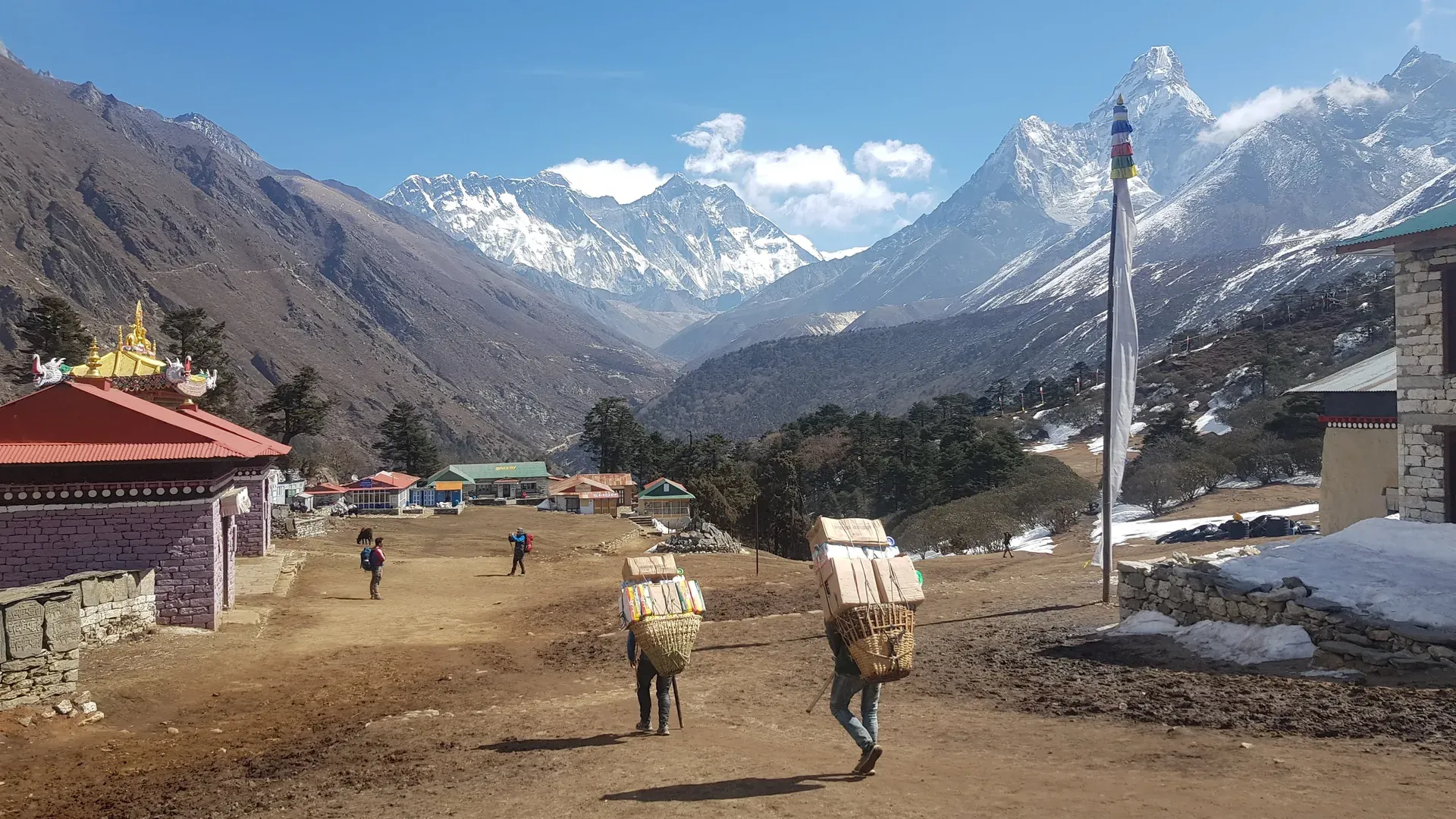
GHT Snowman Trail overview
The Snowman Trail is the hardest variant of the Great Himalayan Trail's Eastern Section, and among the most demanding trekking routes in the world. Where the Yeti Trail bypasses the region's technical terrain, the Snowman Trail confronts it head-on: a full alpine traverse linking Kanchenjunga to the Khumbu via the glaciated high passes above the Hongu valley — Sherpani Col (6,146 m), West Col (6,160 m), and Amphu Labtsa (5,845 m) — each requiring fixed ropes, crampons, and a full mountaineering support team. This is a genuine expedition, not a trek: roped glacier crossings, remote high camps with no rescue access for days at a time, and sustained exposure above 5,500 m for much of the middle third of the route. It exists for the small number of trekkers each season who want to complete the true, unabridged GHT high route through eastern Nepal, with all the technical demands that implies.
Country
Nepal
Duration
40 Days
Meals
Breakfast, Lunch & Dinner
Max. altitude
6,160 m (West Col)
Best season
Mar–May / Sep–Nov
Difficulty level
Hard
Itinerary
Extended equipment check, roped-travel refresher, and permit processing in Kathmandu, followed by the flight to Suketar near Taplejung.
Price includes
- Kathmandu–Suketar flight and Lukla–Kathmandu flight
- IFMGA-qualified lead mountain guide plus GHT-experienced assistant guide and climbing Sherpa support
- Full mountaineering camp crew, fixed ropes, and technical hardware for Sherpani Col, West Col, and Amphu Labtsa
- Tea house accommodation where available, full mountaineering camping through the technical high sections
- All meals during the trek (breakfast, lunch, dinner)
- Kanchenjunga Restricted Area Permit, Kanchenjunga Conservation Area Permit, Makalu Barun National Park permit, and Sagarmatha National Park permit
- Comprehensive medical kit, oxygen cylinders, and pulse oximeter carried by the guide team
- Emergency high-altitude helicopter rescue coordination
- Trek completion certificate
What's not included
- International airfare to/from Kathmandu
- Nepal entry visa fee
- Accommodation and meals in Kathmandu
- Travel and rescue insurance with mountaineering and high-altitude coverage above 6,000 m (mandatory)
- Personal technical gear: harness, ascender, crampons, ice axe, and via ferrata set (rentals available)
- Alcoholic drinks, snacks, and other personal expenses
- Wi-Fi and communication costs (unavailable across most of the route)
- Tips for guide team, climbing Sherpas, and porters (customary, significant given trek length and technicality)
Packing tips
Packing right is half the battle on any Himalayan trek. Keep your main bag under 15 kg — your porter will thank you. Everything in your daypack should be accessible on the trail.
Clothing & Layers
- Moisture-wicking base layers (2–3 sets)
- Insulating mid-layer — fleece or down jacket
- Waterproof and windproof outer shell jacket and trousers
- Trekking trousers (convertible zip-off recommended)
- Warm hat, sun hat, and buff/neck gaiter
- Thermal gloves and waterproof over-gloves
- Woollen or synthetic trekking socks (5–7 pairs)
Footwear
- Sturdy, ankle-supporting trekking boots (broken in before the trip)
- Camp sandals or lightweight shoes for evenings at tea houses
- Waterproof gaiters for snow sections
Gear & Equipment
- 30–40 L daypack with rain cover
- Trekking poles (reduces knee stress on descents)
- Headlamp with extra batteries
- Sleeping bag rated to −10°C (tea house blankets are provided but can be thin)
- Sunglasses with UV400 protection
- Reusable water bottle or hydration bladder (3 L capacity recommended)
- Water purification tablets or a portable filter
Health & Safety
- Personal first aid kit with blister plasters, antiseptic, and pain relief
- Altitude sickness medication (Diamox) — consult your doctor before
- High-SPF sunscreen and UV-protective lip balm
- Insect repellent (lower elevations)
- Hand sanitiser and wet wipes
Frequently asked questions
Starting from