Pikey Peak Trek
The lower Solu viewpoint Edmund Hillary called his favorite view of Everest
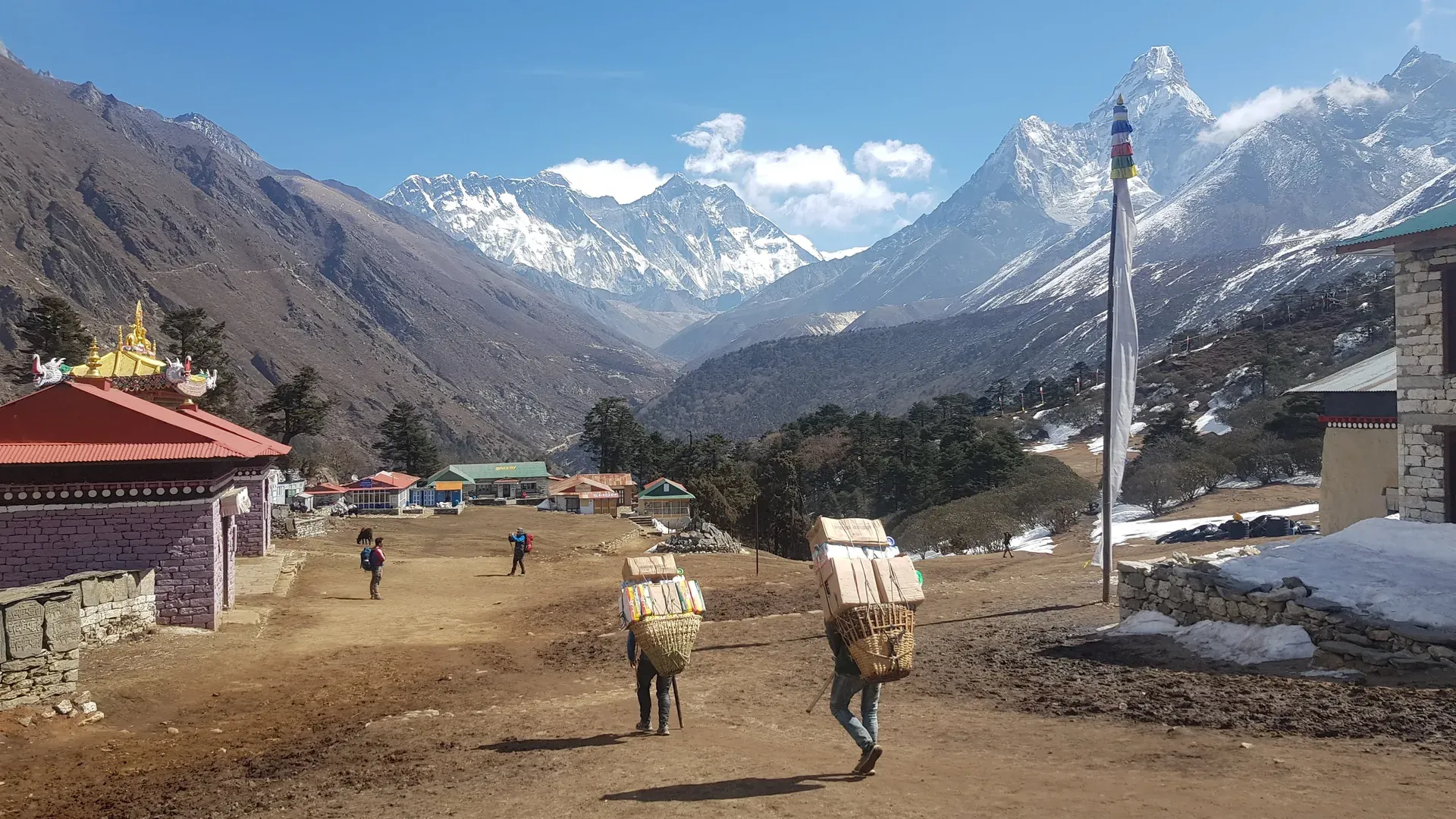
Pikey Peak Trek overview
The Pikey Peak Trek is the Everest region's best-kept off-the-beaten-path secret — a short, gentle circuit through the green hills of lower Solu that climbs to the summit Sir Edmund Hillary reportedly called his favorite viewpoint of Everest. From Pikey Peak (4,065 m) at dawn, an astonishing sweep of the Himalaya unfolds: from Dhaulagiri and the Annapurnas in the far west, past Langtang and Gaurishankar, to Everest, Makalu, and Kanchenjunga in the east — one of the widest mountain panoramas anywhere in Nepal. Unlike almost every other trek in the Everest region, Pikey Peak needs no Lukla flight. The trail is reached by road from Kathmandu via the BP Highway to Dhap, and the trek finishes at the airstrip town of Phaplu for the drive home — removing the weather-delay risk and expense that come with Khumbu flights entirely. What you trade in altitude you gain in authenticity: this is the Solu heartland of the Sherpa people, a landscape of centuries-old monasteries, mani walls, yak pastures, and small cheese factories, where lodges are family homes and you may walk for hours without meeting another trekker. At eight days with a modest high point and comfortable teahouse nights, this trek is ideal for beginners, families, and anyone short on time who still wants a genuine Himalayan sunrise. Trek in spring and the ridgelines below Pikey blaze with blooming rhododendron, Nepal's national flower, in reds and pinks as far as the eye can see.
Country
Nepal
Duration
8 Days
Meals
Breakfast, Lunch & Dinner
Max. altitude
4,065 m (Pikey Peak)
Best season
Mar–May / Sep–Nov
Difficulty level
Easy
Itinerary
Arrive at Tribhuvan International Airport, where our team meets you and transfers you to your hotel. Evening trek briefing and gear check, with time to rent or buy any missing equipment in Thamel.
Price includes
- Airport transfers and hotel pick-up/drop-off in Kathmandu
- Private overland transport Kathmandu–Dhap and Phaplu–Kathmandu
- All meals during the trek (breakfast, lunch, dinner)
- Teahouse/lodge accommodation for the duration of the trek
- Experienced, government-licensed English-speaking trekking guide
- Porter service (one porter per two trekkers, 15 kg limit per trekker)
- Gaurishankar Conservation Area permit and local municipality fees
- Staff wages, insurance, meals, and accommodation
- Comprehensive first-aid kit carried by the guide, including pulse oximeter
- Arrangement of emergency helicopter evacuation (covered by your travel insurance)
- Trek completion certificate
What's not included
- International airfare to and from Kathmandu
- Nepal entry visa fee
- Accommodation and meals in Kathmandu
- Travel and rescue insurance with coverage up to 4,500 m (mandatory)
- Personal trekking gear including sleeping bag and down jacket (rentals available)
- Bottled and boiled drinking water, hot showers, and battery charging at lodges
- Wi-Fi and personal communication costs on the trail
- Alcoholic drinks, snacks, and other personal expenses
- Tips for guide and porters (customary)
Packing tips
Packing right is half the battle on any Himalayan trek. Keep your main bag under 15 kg — your porter will thank you. Everything in your daypack should be accessible on the trail.
Clothing & Layers
- Moisture-wicking base layers (2–3 sets)
- Insulating mid-layer — fleece or down jacket
- Waterproof and windproof outer shell jacket and trousers
- Trekking trousers (convertible zip-off recommended)
- Warm hat, sun hat, and buff/neck gaiter
- Thermal gloves and waterproof over-gloves
- Woollen or synthetic trekking socks (5–7 pairs)
Footwear
- Sturdy, ankle-supporting trekking boots (broken in before the trip)
- Camp sandals or lightweight shoes for evenings at tea houses
- Waterproof gaiters for snow sections
Gear & Equipment
- 30–40 L daypack with rain cover
- Trekking poles (reduces knee stress on descents)
- Headlamp with extra batteries
- Sleeping bag rated to −10°C (tea house blankets are provided but can be thin)
- Sunglasses with UV400 protection
- Reusable water bottle or hydration bladder (3 L capacity recommended)
- Water purification tablets or a portable filter
Health & Safety
- Personal first aid kit with blister plasters, antiseptic, and pain relief
- Altitude sickness medication (Diamox) — consult your doctor before
- High-SPF sunscreen and UV-protective lip balm
- Insect repellent (lower elevations)
- Hand sanitiser and wet wipes
Frequently asked questions
Starting from